Safety
Is a Home Humanoid Safe? NEO Safety and Privacy Questions Answered
Physical safety, data collection and remote operation: the questions to ask before you let a humanoid robot live in your house.
Product photo: 1X Technologies press materials, used for editorial review purposes.
Physical safety
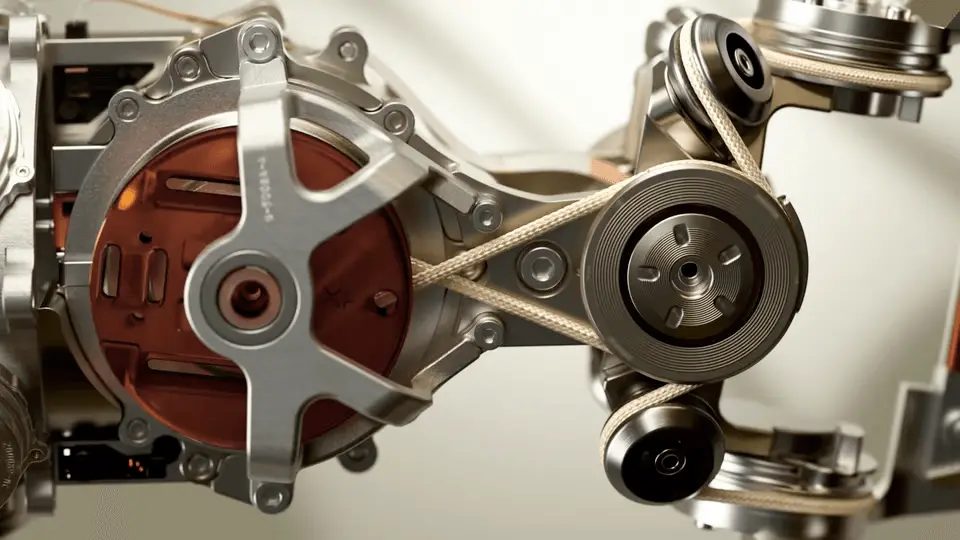
NEO's design choices — light weight, soft padding, enclosed joints, back-drivable tendon actuators — are aimed at reducing injury risk if the robot bumps into someone or falls. That is reassuring, but no consumer humanoid has years of in-home safety data yet. Keep expectations modest for the first generation and treat it like a new appliance: supervise around small children until you trust it.
Cameras and microphones
A robot that navigates and follows voice commands must see and hear. Questions to ask the manufacturer before ordering:
- Is video processed on-device, in the cloud, or both?
- How long are recordings stored, and can you delete them?
- Can you disable sensing in specific rooms or at specific times?
- Is there a clear physical indicator when a remote session is active?
Remote assistance
Early NEO units are expected to use trained remote operators for tasks the AI cannot complete alone. The manufacturer has described scheduling and consent controls for this. Make sure you understand who can connect, when, and what they can see. Ask for the policy in writing.
Cybersecurity
Treat the robot like any connected device: strong Wi-Fi password, separate network segment if you can, prompt firmware updates. Ask whether updates are signed and how vulnerabilities are disclosed.
Our view
The physical-safety engineering is best-in-class for the category. Privacy is a matter of policy rather than hardware, and policies can change — read them, and revisit them at delivery time.